
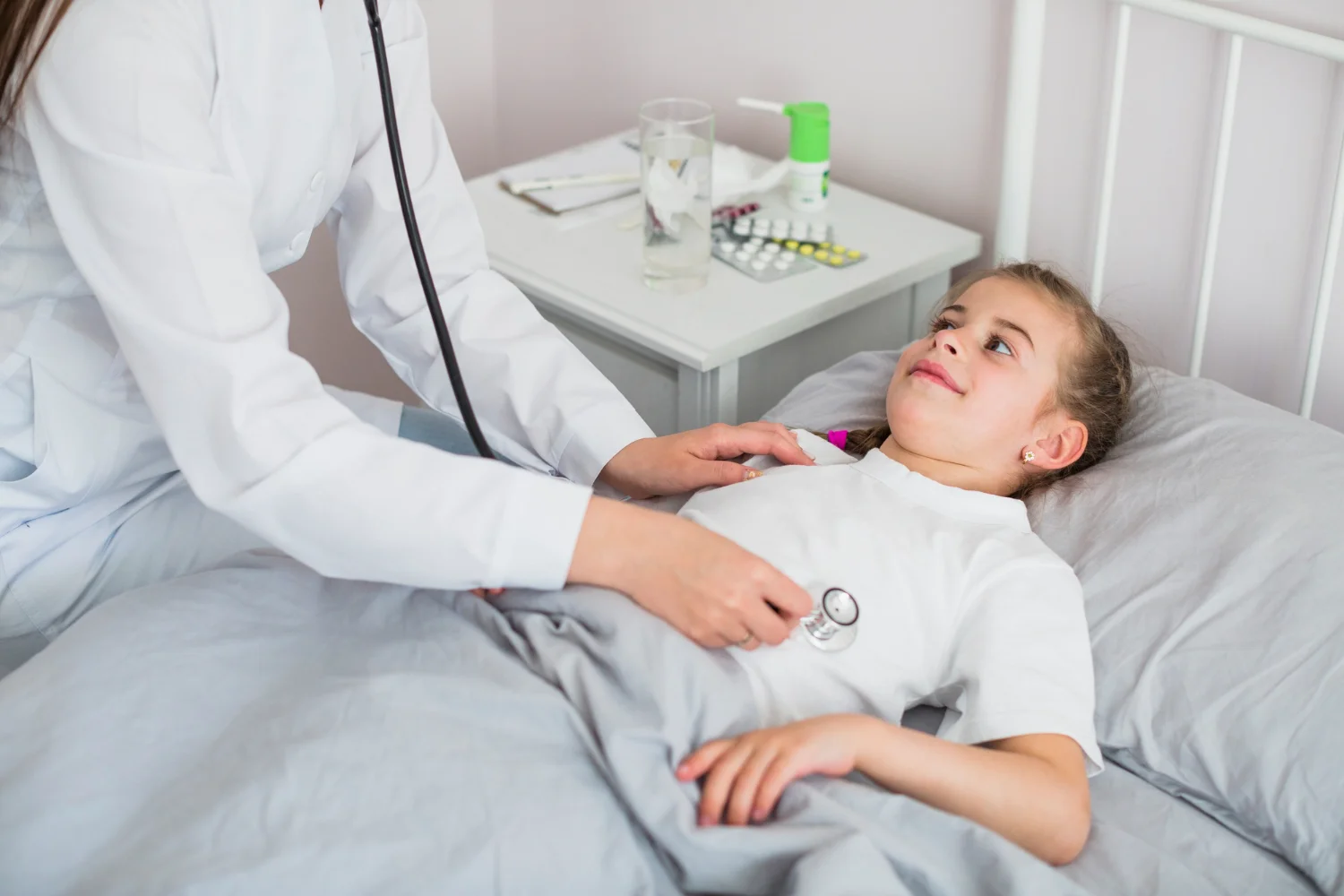
Kids get sick. And it rarely happens at a convenient time.
Sometimes it’s a fever that starts out of nowhere. Sometimes it’s a cough that keeps getting worse.
Sometimes it’s just that feeling that something isn’t quite right, and you’re not sure if it’s something to watch or something to act on.
Most parents don’t just want an appointment. They want guidance.
At Little Wellness Pediatrics, you have a direct line to your child’s physician and a clear path forward when something comes up. You don’t have to guess, and you don’t have to navigate it alone.
We care for a wide range of common childhood illnesses and concerns, including:
Helps improve the overall aesthetic appeal of the skin, making it look more youthful and refreshed.
Many individuals experience an increase in self-esteem and confidence after cosmetic treatments.
Effective in treating acne scars, pigmentation issues, and other skin imperfections.
One of the biggest advantages of this model is that many concerns can be addressed quickly without immediately coming into the office.
You can reach out with symptoms, questions, or concerns, and we can help guide next steps:
Sometimes reassurance is enough. Sometimes we bring you in the same day or next day. The goal is to make the right decision, not the fastest one.
When an in-person evaluation is needed, we aim to offer timely access.
This allows your child to be seen in a familiar setting by a physician who already knows their history, rather than defaulting to urgent care.
Visits are unhurried, allowing time to fully evaluate symptoms, answer questions, and make a clear plan.
Sick visits are not just about treating symptoms. They are about understanding what is happening and helping families feel confident in how to manage it.
We focus on:
This often leads to fewer repeat visits and less uncertainty for families.
Some concerns can be managed directly in the office, making care more convenient and efficient.
Depending on the situation, this may include
When something can be handled safely in the office, we will walk through options and help you understand what to expect.
If a situation requires imaging, specialist care, or emergency evaluation, we help guide that process.
You will not be left wondering where to go or what to do next.
Instead of reacting to illness with uncertainty, families have a clear and supported process.
This creates a calmer experience for both parents and children.
Whether your child has a simple fever or something more concerning, you have support.
You can reach out early, ask questions, and make decisions with guidance instead of guessing.
That is what makes this model different.
Most childhood illnesses can be safely managed at home or in the office with guidance. But there are times when a child needs immediate emergency care.
You should go to the emergency room or call 911 if your child has:
If you are unsure, you can always reach out. We can help guide you on whether your child should be seen in the office, monitored at home, or evaluated in the emergency room.
When in doubt, it is always appropriate to seek emergency care.
"*" indicates required fields
ENROLLMENT WITH LITTLE WELLNESS PEDIATRICS IS NOW OPEN.